Long before the name Clyde Barrow became glued to American outlaw lore, he was just a ruthless voice in the dark on a hot August night in Stringtown. To the folks gathered at the outdoor dance on Friday, August 5, 1932, the sudden storm of gunfire that shattered the night wasn't the opening chapter of a true-crime legend. It was the instant, senseless theft of a good man’s life.
If you read the accounts written years later in popular history books, you get a cinematic version of the story. But to understand what actually happened that night, you have to go back to the original press run of the Indian Citizen-Democrat, the predecessor to today's Atoka County Times, published while the ink was fresh, the bloodhounds were still searching the hills near Clayton, and the county was in shock.
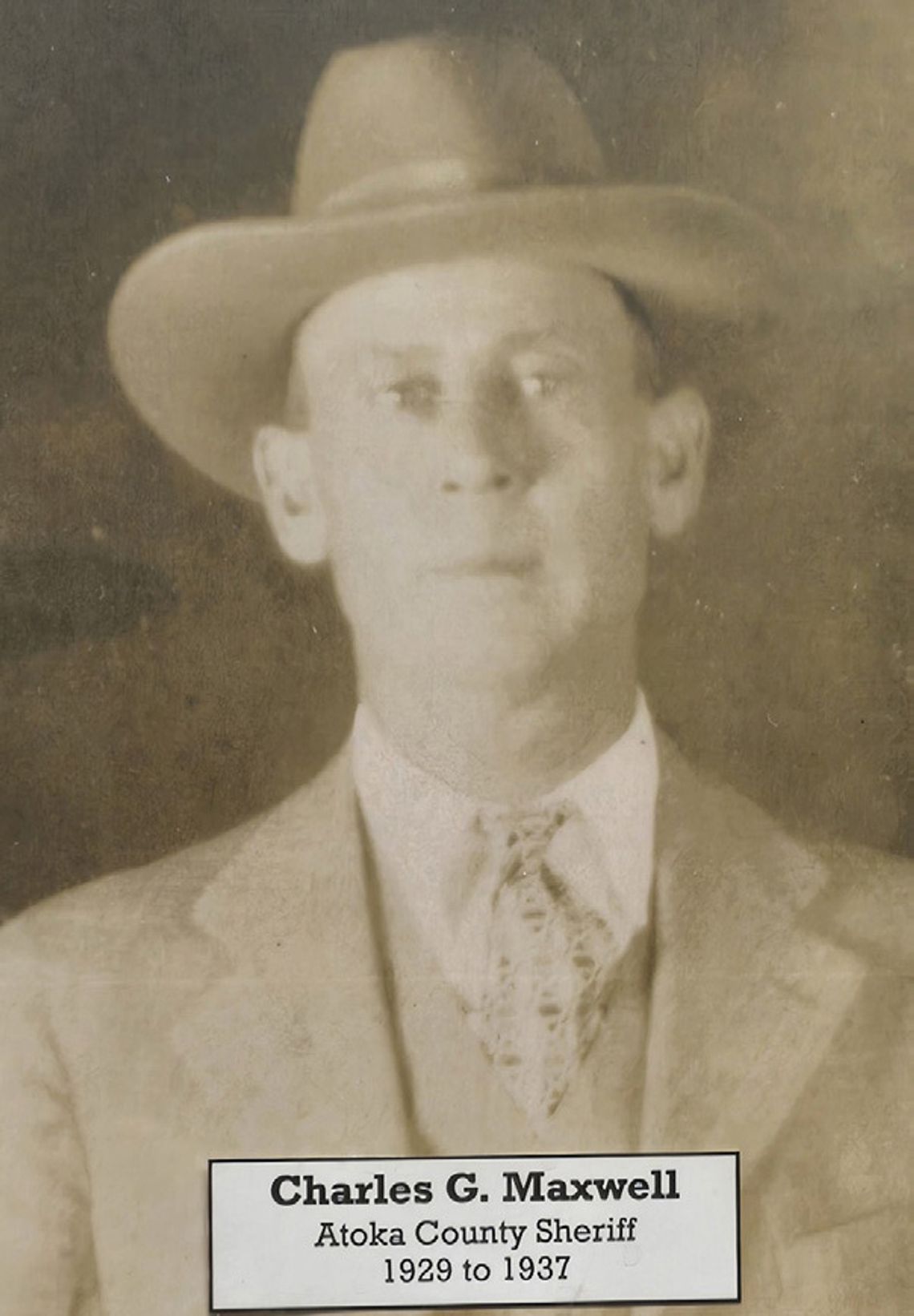
According to those original local reports, Undersheriff Eugene C. Moore had gone to the dance alongside Sheriff C.G. Maxwell for a simple, routine reason: to keep order. It was the kind of duty small-town lawmen carried out every weekend across the county while watching the crowd, nodding to neighbors, and keeping an eye out for trouble.