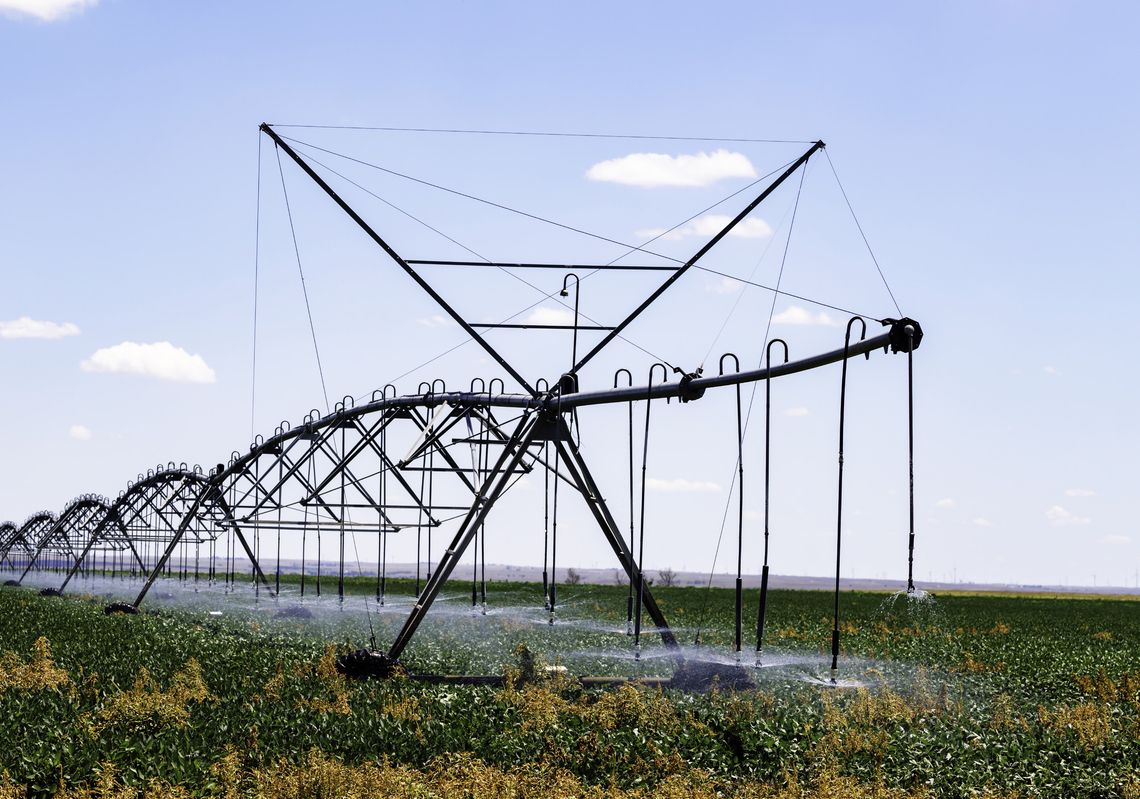
From 1998 to 2022, water leaving the Ogallala Aquifer averaged more than twice the amount entering it, according to a 2026 U.S. Geological Survey report, which said that during this time, wells withdrew about 422,000 acre-feet per year compared with 175,000 acre-feet of recharge. The Ogallala Aquifer is the largest underground freshwater system in the United States, covering roughly 174,000 square miles across eight states from South Dakota to Texas and supplying vital water for crops and livestock.
“Conserving the Ogallala Aquifer is imperative to sustaining agricultural production in the High Plains region, which accounts for nearly one-third of U.S. crop and livestock production,” said Kevin Wagner, director of the Oklahoma Water Resources Center. “Water sustainability is achievable, but it will require farmers to adopt new technologies and innovative approaches.”
From using satellite data to help producers manage water resources more efficiently to offering free private well water screening events, Oklahoma Water Resources Center research and Extension programs equip Oklahomans with the information needed to protect water quality and conservation.